
Description
Outstanding Features That Boost Printing Efficiency
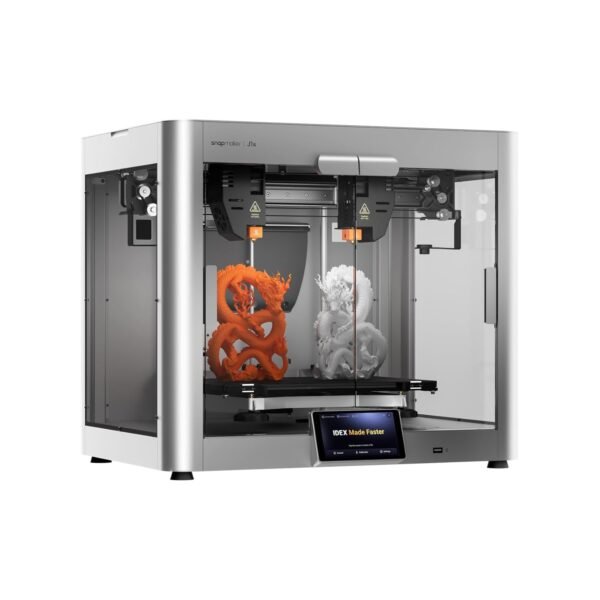
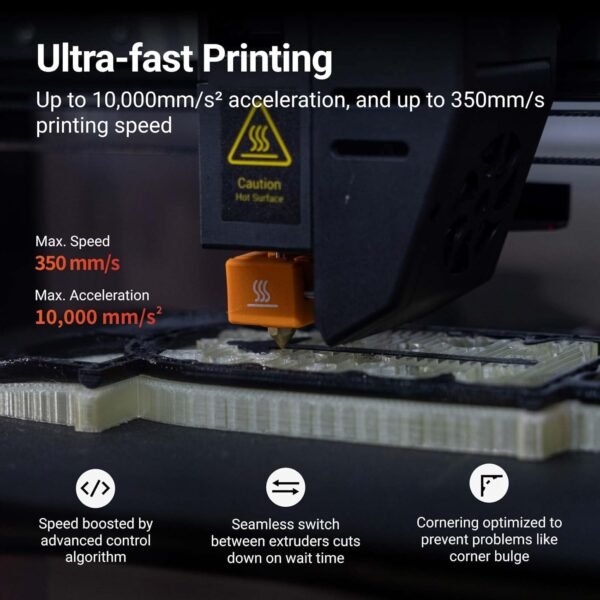
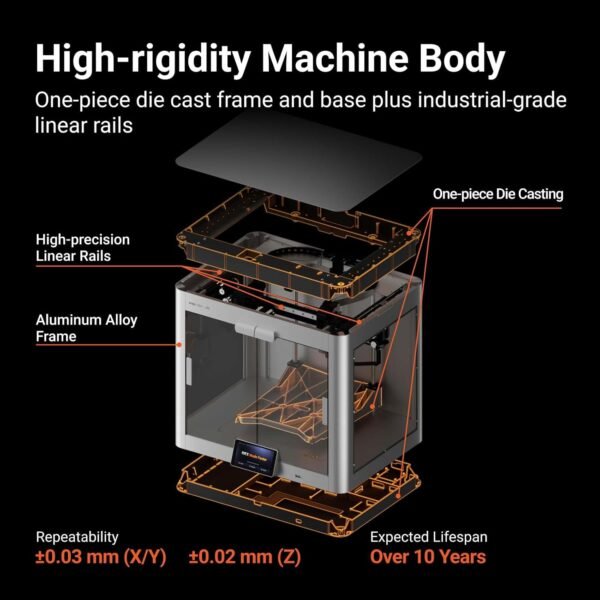
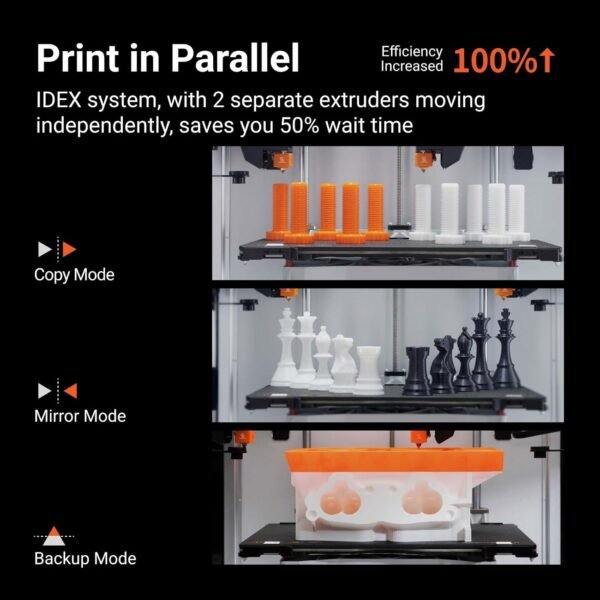
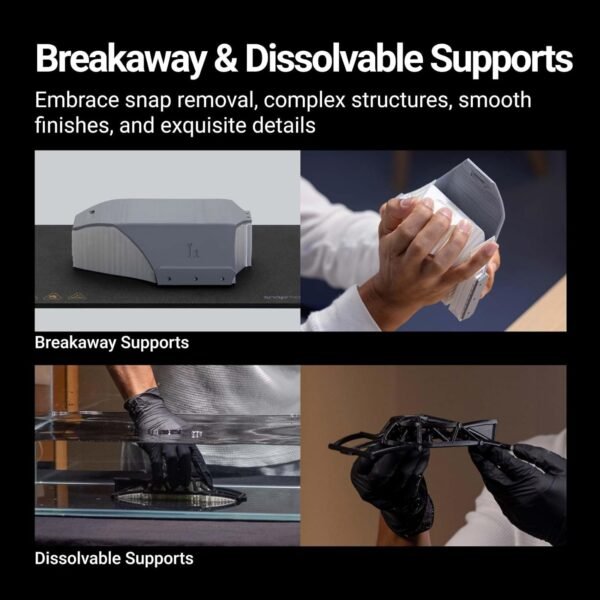
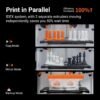
The Snapmaker J1s 3D Printer, IDEX 3D Printer 5X Fast Speed is specified around some genuinely capable hardware. Its independent dual extruder (IDEX) system is the headline, letting two prints run simultaneously without contamination or waste. That feature alone cuts project times significantly, since dual-material objects or two identical pieces can run in mirror or copy mode. The vibration compensation technology maintains stability during high-frequency movements, so prints hold sharp corners with minimal defects. This machine’s one-piece die-cast aluminum alloy housing contributes to its rock-solid frame, which translates directly into precise, wobble-free prints.
Positive Features That Enhance User Experience
The advanced extrusion system is a strong point, with the ability to handle a variety of filaments, thanks to a nozzle temperature reaching up to 300°C and smart anti-clogging measures. The inclusion of silicone hot end socks further helps maintain consistent temperatures, which is crucial for producing clean layers. The filament sensor is a handy addition, flagging a runout before it happens, so prints are not unexpectedly interrupted. The fast and intelligent calibration process, which involves a simplified electrical conductivity method along with a 3-point leveling system, makes setup far less stressful. This printer also features double-sided PEI glass plates, enhancing adhesion and reducing first-layer failures dramatically.
- Dual independent extruder system enabling simultaneous prints
- 300°C nozzle temperature and anti-clogging technology
- Quick, 10-minute intelligent calibration system
- Stable, all-metal frame preventing deformation and wobble
Areas for Improvement in the Design and Functionality
While this printer offers a lot, there are certain drawbacks to consider. The weight of the machine, around 48 pounds, makes it less portable and a bit challenging to move around if you’re used to lighter models. The large footprint (about 24 x 20 inches) could be a concern for those with limited workspace, especially since the print volume is quite generous and requires ample room. The price point might feel steep for hobbyists who don’t need dual extrusion or the high precision it delivers. Also, while the cooling system was upgraded in this advanced version, it still gets a bit noisy during intense printing sessions, which can be distracting in quieter environments.
- Heavy and bulky, making transport tricky
- Requires significant desk space due to size
- Noise levels can be distracting during prolonged prints
- Higher price might deter casual users
Print Quality and Material Compatibility
The quality of prints is genuinely impressive. Across PLA, ABS, and PETG the results are consistently smooth with excellent detail reproduction. The dual direct drives on the extruders provide better filament control, which is especially noticeable when printing flexible materials like TPU. The cornering optimization technology helps maintain accurate edges and detailed features, an area where many other printers struggle. The printer’s ability to pause one extruder without affecting the other is a lifesaver when working on complex dual-material prints; this means errors or filament changes on one side do not scrap the entire job.
User Interface and Software Experience
Navigating the printer’s controls is fairly straightforward thanks to its intuitive touchscreen interface. The software supports multiple printing modes including single, mirror, copy, and dual-material modes, giving flexibility for diverse projects. Calibration procedures are guided clearly on the screen, making them less daunting even for newcomers. The automatic bed leveling system cuts down the usual hassle of manual adjustments. However, the software ecosystem could benefit from more frequent updates and expanded compatibility with third-party slicers. At times, the learning curve is a bit steep if you’re not familiar with IDEX technology or advanced 3D printing terminologies.
Competitive Options and How This Printer Measures Up
Comparing this IDEX 3D printer to competitors like the Raise3D Pro2 and Ultimaker S3, it holds its ground well, especially in terms of price-to-feature ratio. The Raise3D offers larger build volumes but at a much higher cost, whereas the Ultimaker excels in ease of use and ecosystem support but lacks independent dual extrusion. The Snapmaker’s vibration compensation and cornering optimization provide a level of print accuracy that’s hard to match in this price segment. On the downside, some competing models have quieter operations and more robust software support. If your projects demand dual-material printing and faster batch outputs, this printer has a clear edge, but for those prioritizing noise levels or extensive brand ecosystems, alternatives might be more suitable.
Value Proposition and Investment Considerations
Considering the price performance of this dual-extruder 3D printer, it offers solid value, especially for those who need advanced features like independent dual extrusion, high-temperature nozzles, and a stable aluminum frame. Its productivity boost through simultaneous printing modes can save significant time in professional or educational settings. However, if you’re a beginner or only dabble in simple prints, the investment might not be justified given the learning curve and size. The machine’s build quality and print precision justify the price for enthusiasts and prosumers who want to push their creative boundaries. Overall, it feels like a smart spending choice for users who maximize those advanced functionalities.
Final Thoughts on Operation and Maintenance
In daily operation, maintenance is relatively straightforward. The silicone socks on the hot ends simplify cleaning and protect against jam buildup, while the filament sensor helps avoid mid-print surprises. The ease of replacing parts like nozzles and PEI sheets means less downtime spent tinkering. Still, the printer’s weight and size require a dedicated space, and if you’re moving it around often, it might become a hassle. The noise level, while not unbearable, is something to keep in mind if your workspace is in a quiet area. Overall, it blends robust build quality with thoughtful features that make everyday printing less of a chore.
This review draws on the published specification and documentation for the Snapmaker J1s 3D Printer, capturing both its strengths and the areas where it could improve. It’s a versatile, precise machine designed for users who want to expand their 3D printing capabilities with dual-material projects and faster production cycles.