

Description
Highlights of the Longer LK5 Pro 3D Printer
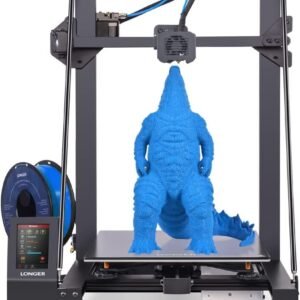
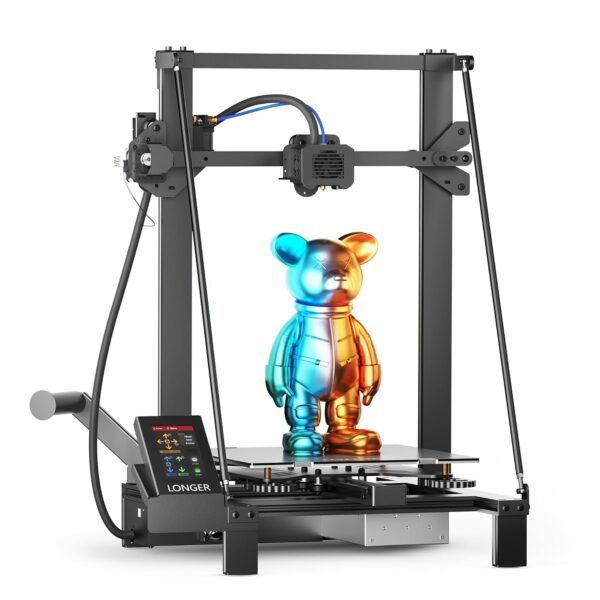
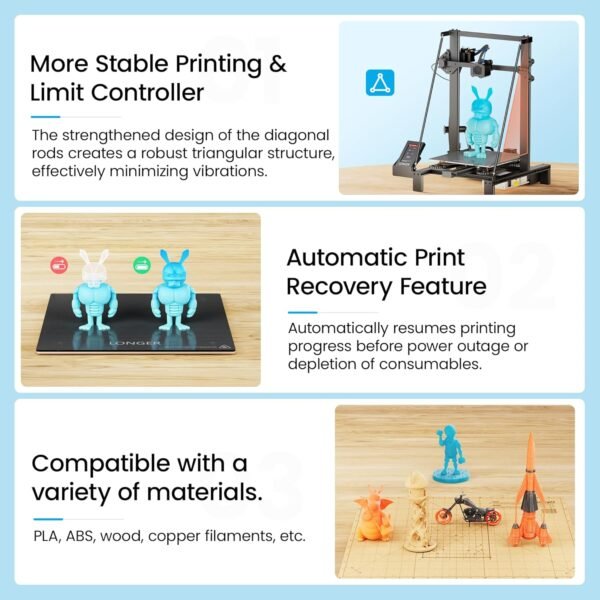
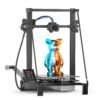
The Longer LK5 Pro 3D Printer 11.8×11.8×15.7in is built around one central design decision. Its stable triangular structure really lives up to the hype. The reinforced inclined rods significantly reduce vibrations and resonance during printing, which means fewer errors and much better precision. For home DIY projects and school-related tasks, this design aspect is a real differentiator. The printer is robust and sturdy, and that stability translates directly into the quality of the prints.
Build Volume and Material Compatibility
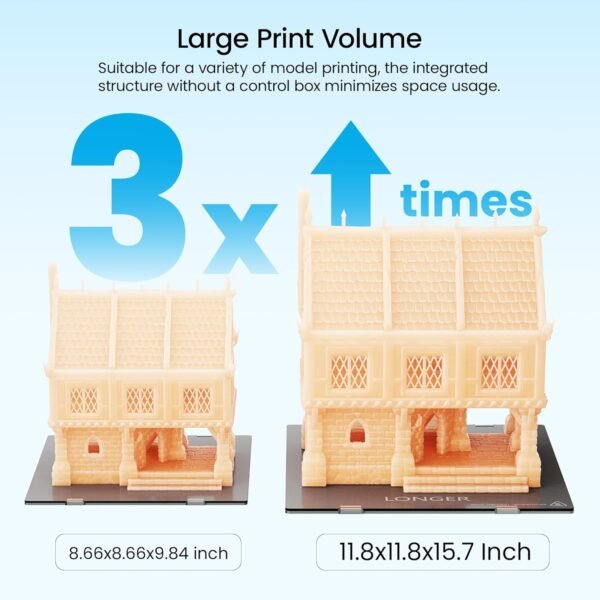
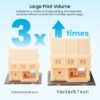
The maximum build size of 11.8″ x 11.8″ x 15.7″ (300x300x400mm) opens up a lot of creative possibilities. Larger models print in one piece without having to split them into multiple parts, which saves time and effort. This printer also supports a wide variety of filaments, from PLA and ABS to more exotic materials like TPU. That versatility across materials is one of the strongest points on the spec sheet, particularly for anyone experimenting with flexible filaments. This flexibility makes the device useful for a broad audience, whether you’re a beginner or more advanced user.
Printing Speed and Precision
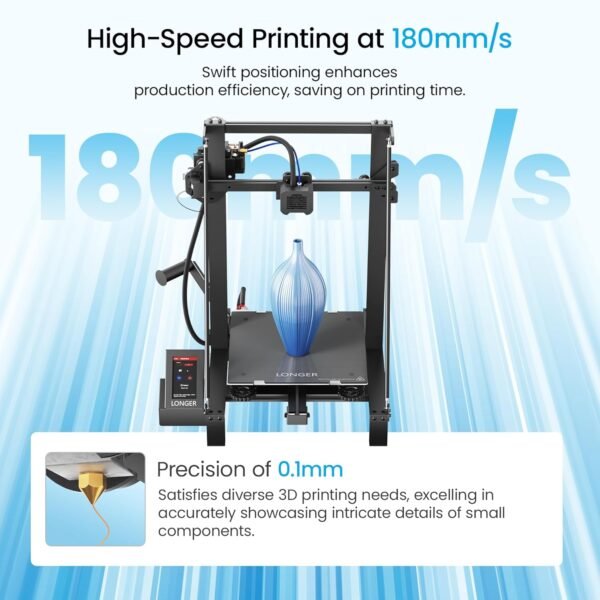
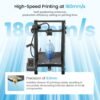
The printer boasts a printing speed of 180mm/s alongside an impressive 0.1mm layer resolution, which is faster than many competitors in the class. The automatic calibration on the X and Y axes helps keep the vibrations to a minimum, maintaining tight tolerances. Even delicate prints with intricate details come out clean and sharp. It’s not just fast for the sake of speed; it manages to keep quality high, which is a difficult balance to strike. The speed cuts down waiting times during longer prints, making it more efficient for daily use.
Advantages of the Upgraded Features
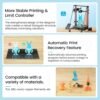
- Filament depletion detection and auto-resume printing mean the printer pauses intelligently if the filament runs out or if there’s a power outage. After a blackout, the machine picks up exactly where it left off without print loss, a huge relief on long jobs.
- The silicon carbide lattice glass platform ensures even heating and strong adhesion, reducing warping and print failures.
- Upgraded hardware like the TMC2209 ultra-quiet driver and dual cooling fans keep noise levels low while improving filament flow and cooling efficiency.
- It comes 90% pre-assembled, making setup straightforward, which matters most for beginners getting a first machine running with minimal help.
- The open-source firmware allows the printing process to be customized using G-code tweaks, which is a real draw for anyone who likes to experiment with print settings.
Limitations to Keep in Mind
- The printer’s weight of nearly 29 pounds and its overall size (20″ x 20″ x 15″) mean it’s not the easiest to move around, so it’s best suited for a permanent workspace.
- Although the build volume is generous, some users might find the print bed leveling requires occasional fine-tuning, especially when switching between materials.
- The noise level, while quieter than many printers, can still be noticeable during intense prints, which might be an issue if you’re printing overnight in a shared space.
- The assembly, though mostly done, still demands some patience for first-timers, particularly when connecting the filament sensor and calibrating the bed.
- Filament compatibility is broad, but certain specialty filaments might require additional adjustments or upgrades to the extruder.
Alternative Offerings in the Market
Comparing this 3D printer with some popular competitors such as Creality Ender 5 Pro and Prusa i3 MK3S+, a few things stand out. The Ender 5 Pro is typically cheaper and smaller but lacks the extended build volume and advanced features like filament runout detection. On the other hand, the Prusa is known for its reliability and software ecosystem but comes at a significantly higher price point. The Longer LK5 Pro sits comfortably between these two, offering a larger build volume and some high-end features such as the silicon carbide glass bed and ultra-quiet drivers, without breaking the bank.
Where it leads is in its advanced filament and power detection systems, which many competitors don’t offer at this price range. However, some rivals have more intuitive bed leveling or slightly quieter operation. It’s a solid choice for users who want a larger print area and don’t mind spending a little more time on setup and calibration.
Value Proposition of the Longer LK5 Pro
Considering its features, build size, and printing capabilities, the printer represents good value for money. The combination of speed, precision, and stability usually belongs to pricier models, so this device brings that performance within reach for hobbyists and semi-professional users alike. The 90% pre-assembled kit reduces frustration for novices, while the open-source firmware appeals to tinkerers and advanced users who want more control.
The inclusion of filament sensors and power resume functionality means less wasted material and fewer ruined prints, adding to its cost-effectiveness. While not the cheapest on the market, its features justify the investment, especially if you plan on using it regularly for varied projects.
Downsides Worth Noting
- Some components, like the bed leveling knobs, are a bit fragile and could benefit from sturdier construction.
- The instruction manual is somewhat sparse, which can lead to confusion during assembly or troubleshooting.
- The software interface might be intimidating for users unfamiliar with open-source firmware, requiring some learning curve.
- Replacement parts or upgrades aren’t as readily available as for more mainstream brands, which might cause delays or inconvenience.
- The print bed heating speed is moderate, so long prints might require patience during the initial warm-up phase.
Despite these hurdles, this printer has a strong reliability record once settings are dialled in and its quirks are understood. It has rough edges, but it is impressively feature-rich for the price and size.
Final Thoughts on Performance and Usability
The Longer LK5 Pro is designed to be a central fixture on a workbench. Its large print volume combined with stable printing mechanics covers projects that are too ambitious for smaller machines. The combination of visible print speed and fine detail is the reason it draws attention in shared workspaces.
The advanced features like filament detection and resume are what prevent failed prints, which matters given how frustrating wasted filament can be. Noise levels are generally tolerable, and the open-source firmware opens doors to extensive customization, keeping the machine adaptable over time.
Overall, the machine balances innovation and accessibility nicely, though it does ask for some patience and willingness to learn. For those ready to dive into serious 3D printing without breaking the bank, this printer offers a compelling package.