


Description
Highlights of Multi-Color and Multi-Material Printing
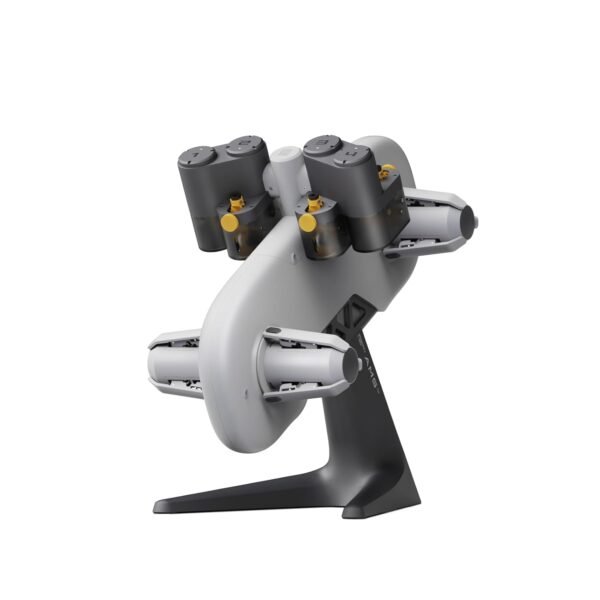
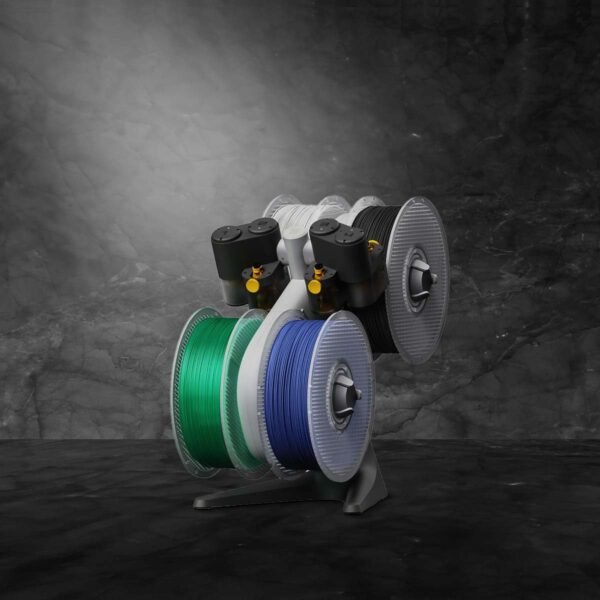
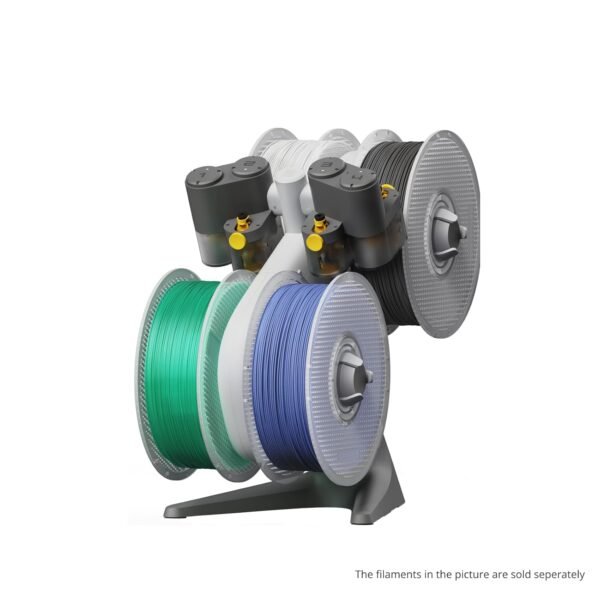
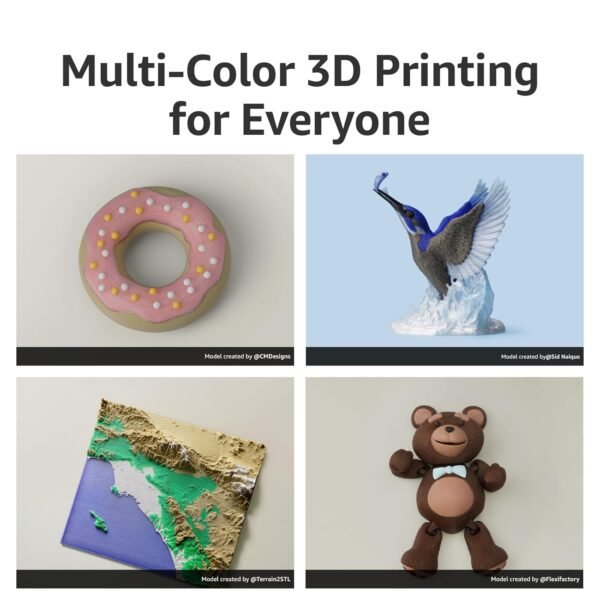
The BAMBULAB AMS lite-Automatic Material System, paired with a Bambu Lab A1 3D printer, is what unlocks multi-color 3D printing on that machine. The device’s four filament slots allow vibrant and complex models in up to four different colors or materials without pausing to swap filaments manually. That alone removes the biggest time sink in multi-color work, where spools have to be juggled mid-print. The ability to combine materials, such as rigid PLA with flexible TPU or dissolvable supports, makes prototypes more functional as well as more visually interesting. This multi-material capability is the core reason the unit exists, and it changes what is practical for detailed or professional 3D printing projects.
Advantages of Filament Backup and RFID Sync
One of the standout features is the automatic filament backup. The AMS lite switches to a new spool when the filament runs low, which removes the common failure mode where a print dies halfway through from an unexpected filament run-out. That “worry-free printing” claim matters most during long or overnight prints. Another smart addition is the RFID filament synchronization. There is no need to fiddle with settings or guess the optimal print parameters; the system detects the filament type and configures the printer automatically. That removes a lot of trial and error and lifts print quality on the first attempt.
Positive Features:
- Supports up to four filament colors/materials for complex prints
- Automatic filament spool switching to prevent print interruptions
- RFID technology for seamless filament identification and print setting adjustments
Easy Maintenance with Transparent Design
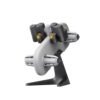
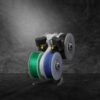
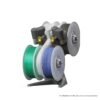
Maintenance is often a dreaded chore with 3D printer accessories, but the AMS lite’s simple and exposed design keeps it manageable. The translucent shell shows the filament feeding mechanism, so jams or feed problems are visible before they ruin a print. That transparency means the unit rarely has to be opened blindly to diagnose a fault, which cuts downtime. The design invites quick troubleshooting without needing specialized tools, making it accessible for hobbyists and pros alike.
Drawbacks of Size and Compatibility
Despite many perks, a few downsides stand out. The size and weight of the AMS lite, about 18 by 12 by 11 inches and 3.5 pounds, pose challenges for users with limited desk space or those who want a more compact setup. Also, this system is specifically compatible with Bambu Lab A1 and A1 Mini 3D printers, which restricts its usability outside this ecosystem. If you own another brand or model, this accessory won’t fit, limiting its audience. Furthermore, the initial setup takes patience, especially for anyone less familiar with multi-material 3D printing systems.
Limitations:
- Relatively bulky footprint for small workspaces
- Compatibility limited to Bambu Lab A1 series only
- Setup can be tricky without prior experience
Value Assessment: Is It Worth It?
Considering the price to performance ratio, the AMS lite offers excellent value for those invested in the Bambu Lab ecosystem. It is not a cheap add-on, but the seamless multi-color and multi-material printing experience, combined with automatic filament management, justifies this cost for serious users. If you frequently print complex models requiring multiple filaments or colors, this system can save time, reduce waste, and improve print reliability, which adds up to significant savings and less frustration. However, casual users or those on a budget might find better value in simpler multi-filament devices or standalone printers with built-in multi-material capabilities.
Product Contenders and How They Compare
Looking at alternative products such as the Palette 3 or Prusa MMU2S, the AMS lite stands out for its ease of integration with the Bambu Lab printers and the RFID-based filament detection. Unlike the Palette 3, which uses a filament splicing technique that can sometimes cause weak points in prints, the AMS lite directly switches spools, reducing material waste and improving reliability. Prusa’s MMU2S is a solid competitor but requires more manual calibration and has a steeper learning curve. On the flip side, those systems often support a wider range of printers, which makes them more versatile for users with different setups. The AMS lite’s transparent casing and simple maintenance also outshine competitors, particularly for troubleshooting.
Who the System Suits
For home users, the appeal is straightforward: multi-color prints in a single job, which previously meant manual filament changes and a lot of babysitting. Toys and models printed in several colors at once are the most common use in that setting. In shared workspaces, the automatic filament switch and RFID syncing are the features that draw attention, since they cut the setup burden for people running several projects. Support for dissolvable support filament is another draw, because it shortens post-processing considerably.
Comprehensive Features and Settings
The AMS lite supports a variety of filaments, including PLA, ABS, PETG, TPU, and specialty materials like dissolvable supports. Its four filament slots can be configured for different materials or colors, and the system handles switching seamlessly without user intervention. The filament identification via RFID means print profiles are automatically applied, reducing setup errors and improving the overall print quality. The unit’s design emphasizes user-friendliness, with easy spool loading and clear visibility through the translucent shell. The filament backup function is the key safeguard for long prints, automatically swapping spools without pausing, which helps avoid failed prints and wasted materials.