Description
Highlights of the FNIRSI LCR-P1 Transistor Tester
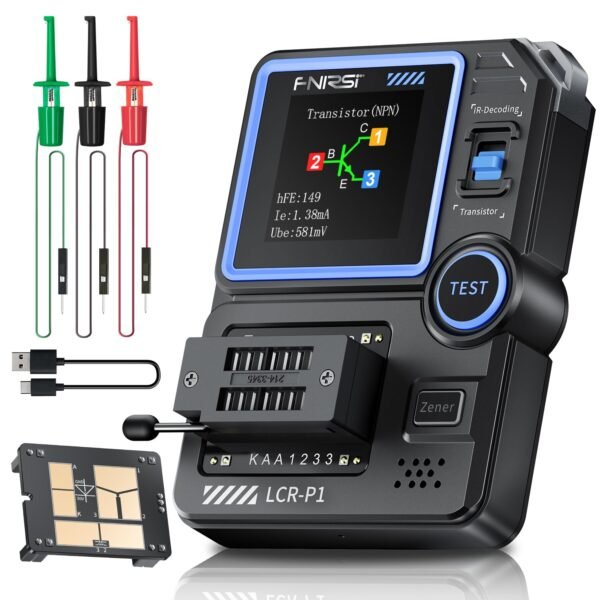
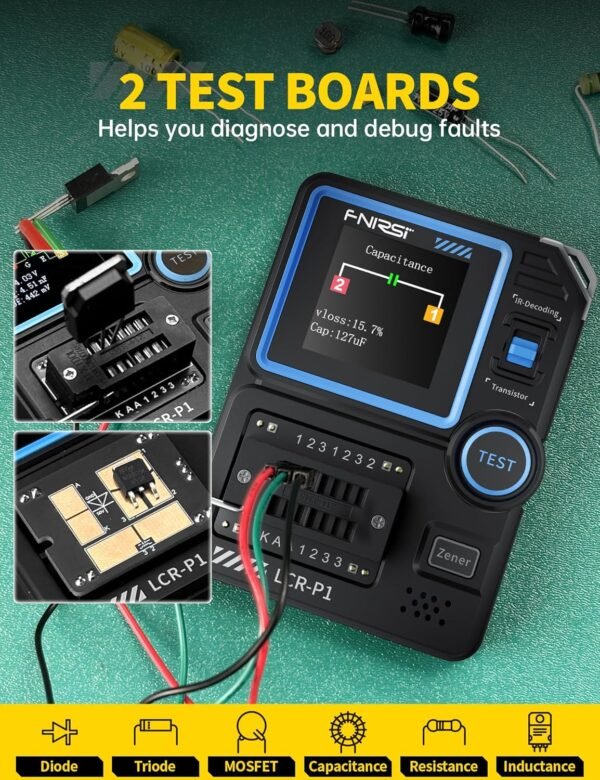
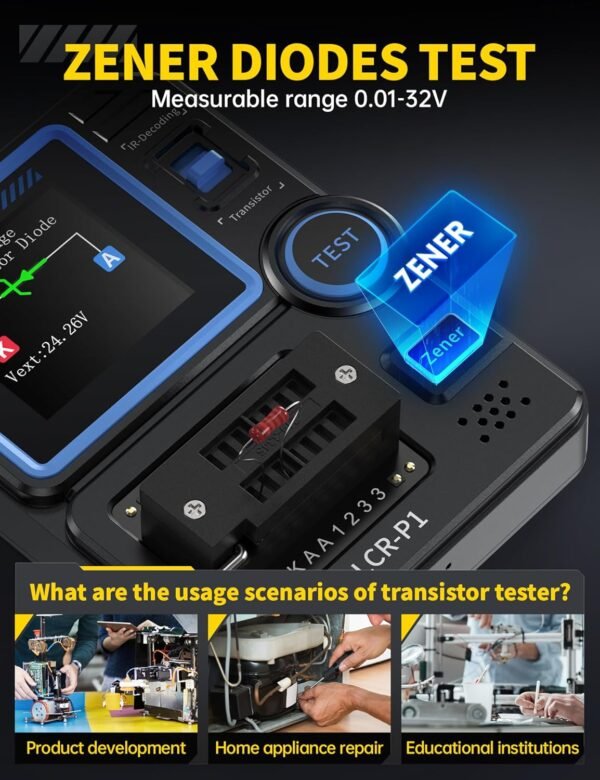
Testing various electronic components goes more smoothly with the FNIRSI LCR-P1 transistor tester. Its headline capability is measuring and analyzing a wide range of components such as NPN and PNP transistors, MOSFETs, triodes, diodes, Zener diodes, capacitors, resistors, inductors, and even batteries. The intelligent automatic identification feature quickly detects component pinouts and specifications, which saves a lot of time otherwise spent fumbling around with datasheets and guessing pins. The 1.44-inch full-color screen provides clear readings and the Type-C interface for charging and data transmission adds great convenience, especially since the included 300 mAh battery charges quickly and holds up well across long testing sessions.
- Supports a broad range of components including SMD and through-hole types
- Automatic pin detection and component model identification
- Clear, colorful display with intuitive interface
Drawbacks Worth Noting
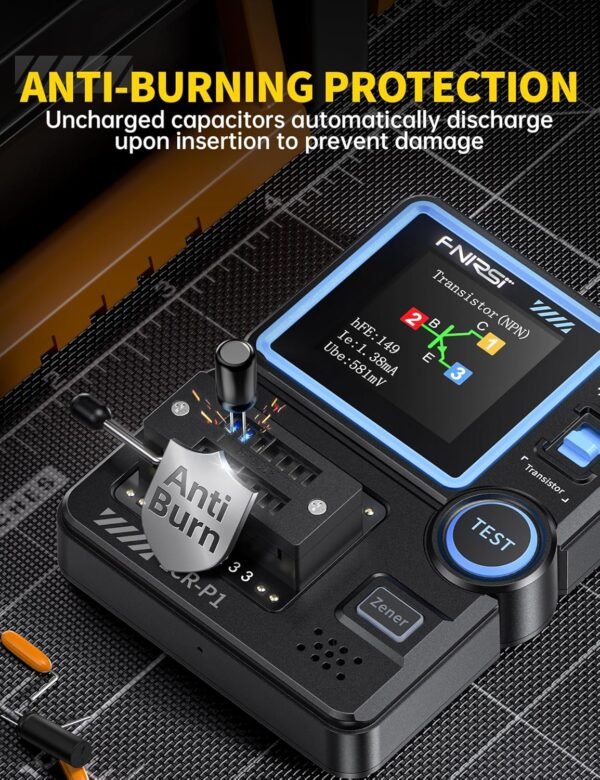
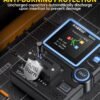
While the tester generally performs well, a few limitations are noticeable. The compact size (3.19 x 2.56 x 0.98 inches) makes it extremely portable but also means the screen is relatively small, which could strain your eyes during extended use. The anti-burn protection mechanism is a smart addition, as it automatically discharges capacitors to avoid damage, but it can delay readings when dealing with high-capacity components, which might frustrate users in a hurry. Another downside is that the firmware upgrade process, though accessible via the Type-C interface, isn’t very straightforward and might confuse less tech-savvy users.
- Small screen size can be challenging for prolonged use
- Slight delay when testing large capacitors due to auto-discharge
- Firmware updates require some technical know-how
User-Friendly Design for Both Hobbyists and Professionals
The device’s replaceable patch seat is a thoughtful design choice that allows testing both tiny precision components and larger, high-power devices without swapping testers. This flexibility makes it a great tool for electronics enthusiasts and professionals alike. The test hooks and patch test board included in the package were handy, especially when dealing with SMD components that are notoriously tricky to handle. The black color and lightweight 2.72-ounce frame make it portable and stylish without feeling cheap or flimsy.
Versatility in Component Testing and Protocol Analysis
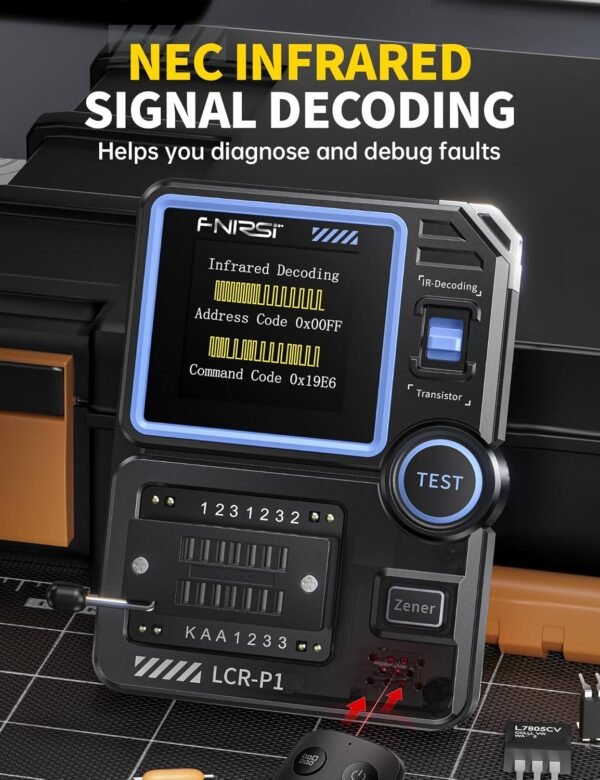
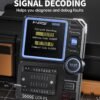
A less expected feature is the tester’s ability to support NEC infrared protocol waveform analysis. This means it’s not just limited to passive component testing; the device can also help debug and maintain remote control equipment using NEC infrared signals. This added feature elevates it above many other LCR meters and transistor testers in the same price range. The tester’s ability to measure ESR (Equivalent Series Resistance) is another highlight, especially useful for diagnosing aging capacitors without removing them from circuits.
Comparing the FNIRSI LCR-P1 with Competitors
In comparison with similar testers like the Mega328 Transistor Tester or the Mastech LCR meter, this model stands out for its firmware upgrade feature and infrared waveform analysis, which those competitors lack. However, those other models sometimes offer larger displays or more intuitive menus, which might appeal to users who prioritize ease of navigation over advanced functions. The FNIRSI tester’s anti-burn protection and Type-C charging give it an edge in safety and convenience, but the firmware upgrade complexity could be a hurdle for beginners. Overall, it balances advanced functionality with compactness better than many alternatives.
Value Proposition for Electronics Enthusiasts
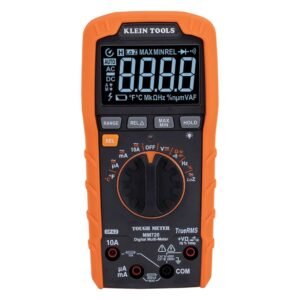
Considering the features packed into this small but mighty tester, its price point offers decent value for money. The device’s capabilities cover just about every common electronic component and add diagnostic tools like ESR and infrared waveform analysis, which are usually found on more expensive devices. If you’re looking for a compact, battery-powered tester that can handle both through-hole and SMD components with decent precision, this tool is a smart investment. Bench users who also need voltage and current readings often keep a general meter such as the Klein Tools MM420 digital multimeter in the same drawer. The inclusion of accessories like test hooks and a patch board adds to the overall package, increasing its usability right out of the box.
Practical Use Cases and Reported Experience
Across transistors, capacitors, and diodes on an electronics bench, the tester’s strengths and quirks are easy to place. For instance, testing MOSFETs and FETs is straightforward, and the device displays gain and pin configurations without needing manual input. Owners who frequently repair remote controls single out the infrared waveform feature, which makes debugging easier. Newcomers to electronics tend to find the colorful screen and quick identification helpful for learning purposes, though the small size of the display can be a bit challenging for younger eyes.
Areas for Improvement to Consider
Despite its many perks, the device could benefit from some enhancements. Enlarging the screen or improving readability would help users who spend long hours testing components. Simplifying the firmware upgrade process or providing more detailed step-by-step instructions could reduce frustration. The delay caused by the capacitor auto-discharge protection, while essential for safety, could be optimized to maintain quicker testing cycles. Including a more robust carrying case or protective sleeve might also increase durability during field use.
- Screen size and readability could be improved
- Firmware update process needs better user guidance
- Auto-discharge delay could be optimized for speed
- Additional protective accessories would be beneficial
This transistor and component tester combines practical functionality with clever design touches across its feature set. While it has clear limitations, its intelligent automatic detection, multi-component support, and infrared analysis make it a valuable tool for anyone involved in electronics repair, design, or hobby projects.