Description
Positive Features of the Wall and Floor Scanner
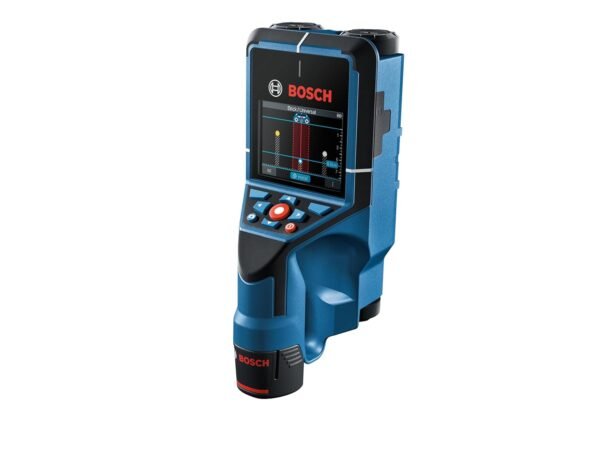
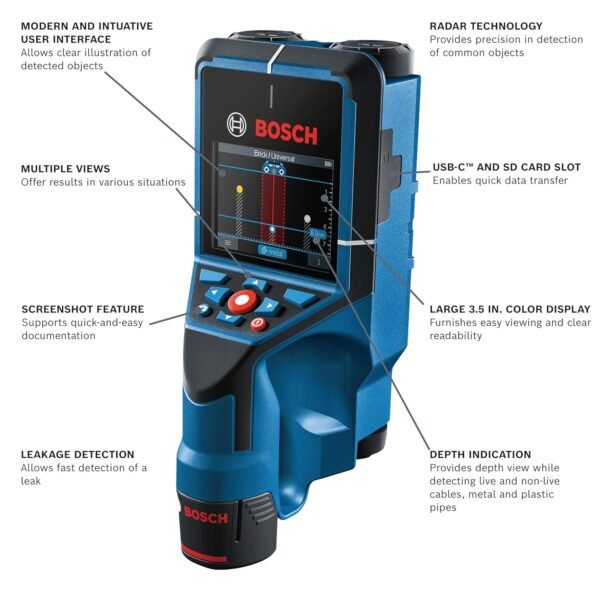
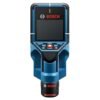
The Bosch D-TECT200C 12V Max Wall and Floor Scanner is built around radar technology that genuinely sets it apart. This feature enables the scanner to reliably distinguish between materials such as metal, wood, plastic, and even live or non-live cables. The device doesn’t just act like a simple stud finder but instead offers advanced precision that’s quite rare in this category. The depth indication feature is particularly useful; it reports how deep the object is embedded, which removes guesswork on a job.
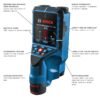
The scanner’s multiple viewing modes cover different scanning scenarios. For example, the spot view mode is designed for scanning tight corners and small spaces. Also, the 3.5-inch color display is sharp and clear, making it easy to interpret results without squinting or second-guessing readings. The intuitive user interface keeps navigation straightforward, even for users who are not especially technical.
- Radar technology ensures accurate material detection.
- Multiple scanning views adapt to different situations.
- Depth indication for precise locating of objects.
- Clear color display with an intuitive interface.
Limitations to Keep in Mind
Despite its many strengths, this scanner does have some shortcomings worth noting. The weight of 3.54 pounds makes it a bit heavier than other handheld scanners, which can cause fatigue if you’re scanning for extended periods. Also, while the battery life is decent thanks to the Bosch 12V Max Lithium-Ion battery, it drains more quickly when the leakage detection mode is used frequently.
The software update feature is handy, but it requires a somewhat complicated process involving USB-C and an SD card. It’s not the most user-friendly for those who don’t regularly work with digital tools. Moreover, the price point is on the higher side compared to simpler stud finders, so it might not be the right fit for casual DIYers or those who don’t need advanced detection capabilities.
- Heavier than some competitors at 3.54 pounds.
- Battery drains faster when using advanced modes.
- Software updates require a bit of tech-savviness.
- Higher price point might deter casual users.
Design and Build Quality
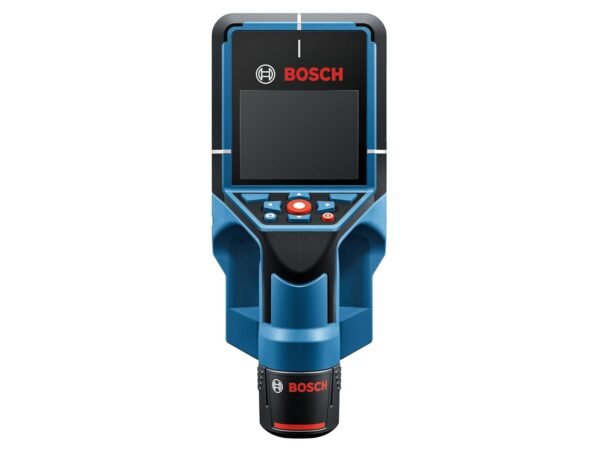
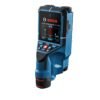
The design of this scanner is compact yet robust, sized to fit comfortably in one hand despite its weight. The device’s casing is sturdy, built to withstand typical job site conditions, which is always reassuring. The non-magnetic metal and plastic construction keeps it durable without being too bulky.
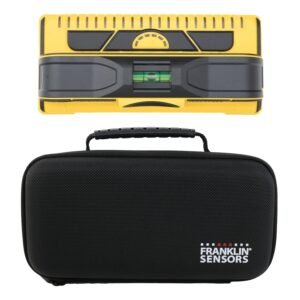
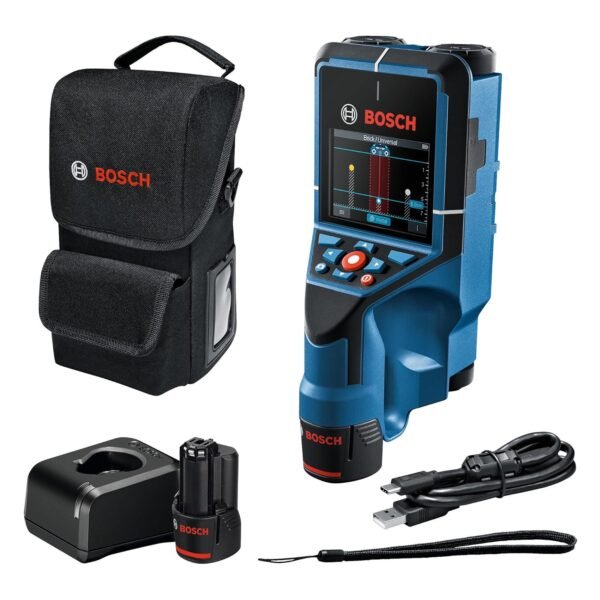
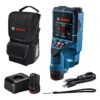
One subtle but welcome detail is the soft pouch included, which protects the device during transport. That matters when carrying it around on busy job sites or storing it alongside other tools. The overall dimensions (4.5 inches long, 2 inches wide, and 9.5 inches high) make it easy to store in a toolbox or backpack without taking up too much space.
Features That Stand Out in Use
Among the standout features, leakage detection is the most notable. It is designed to quickly identify potential leaks behind walls, which matters for anyone involved in plumbing or home inspections. The screenshot functionality on the scanner is a real bonus, capturing and saving readings on the spot. Transferring this data to a computer via USB-C or SD card means results can be analyzed later or shared with colleagues.
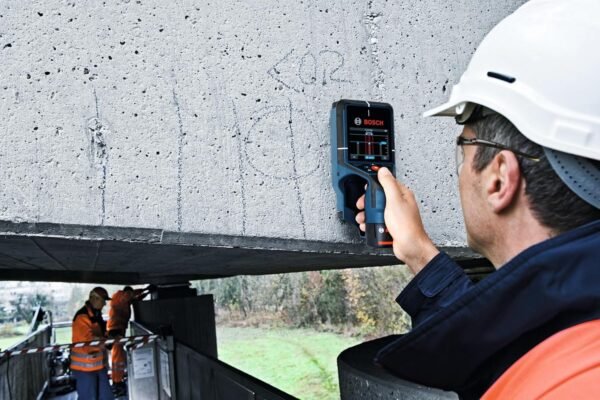
It’s also worth noting that this scanner supports four different object views, which means it adapts well to various detection scenarios. Whether scanning for rebar in concrete or pipes hidden behind drywall, the versatility is clear. The IP66 rating means it’s dust-tight and protected against powerful water jets, so outdoor and messy environments are within its rated range.
Price Worthiness of the Investment
The value proposition of this scanner depends heavily on your needs. For professionals like electricians, plumbers, or serious DIYers, the investment makes sense given the advanced radar tech, multiple detection modes, and reliable battery life. Its ability to detect a broad range of materials, including live cables and plastic pipes, is not something you get in cheaper models.
Casual users or homeowners just looking for a basic stud finder might find it a bit overkill. However, if you often tackle home renovations or inspections, the detailed information and precise measurements provide excellent bang for the buck. Compared to other premium scanners, this one holds its own but at a price that reflects its advanced functionality.
Comparing with Market Rivals
Looking at other scanners in the same category, this Bosch model holds some advantages and some areas where it falls short. Devices like the Zircon MultiScanner or DeWalt scanners tend to be lighter and simpler but don’t offer the same depth of detection or radar accuracy. On the flip side, some competitors list longer battery lives or more straightforward software updates.
Where the Bosch scanner leads is in its leak detection and the ability to capture screenshots, features not commonly found in many rivals. The IP66 rating also gives it an edge for ruggedness. However, if weight or user-friendliness in software updates is a priority, some other brands might suit better. This scanner suits those who need a highly capable, multi-functional tool rather than a quick stud finder fix.
User Experience and Practical Application
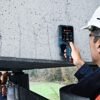
Across typical projects, from checking for studs before drilling to inspecting floors for rebar, the specification covers a wide range of jobs. Home renovation professionals rate this class of scanner for tracking down hidden pipes without damaging walls, and the color display with an audible tone on metal detection makes the readout easy to follow.
The battery charger included means the tool is less likely to be stranded mid-job, and the USB cable makes data transfer straightforward once the process is familiar. The scanner’s rated capability for detecting live wiring is reassuring around older homes where wiring can be unpredictable. Despite a slight learning curve, the tool settles into a working toolkit quickly.
This review is based on the published specifications for the Bosch D-TECT200C 12V Max Wall and Floor Scanner, highlighting its strong points like radar technology and leak detection, while also addressing its heavier build and update quirks. It’s a sophisticated device for those who need more than a basic stud finder, and understanding its features and limitations helps set realistic expectations.