


Description
Highlights of the Rheem 18kW 240V Tankless Electric Water Heater
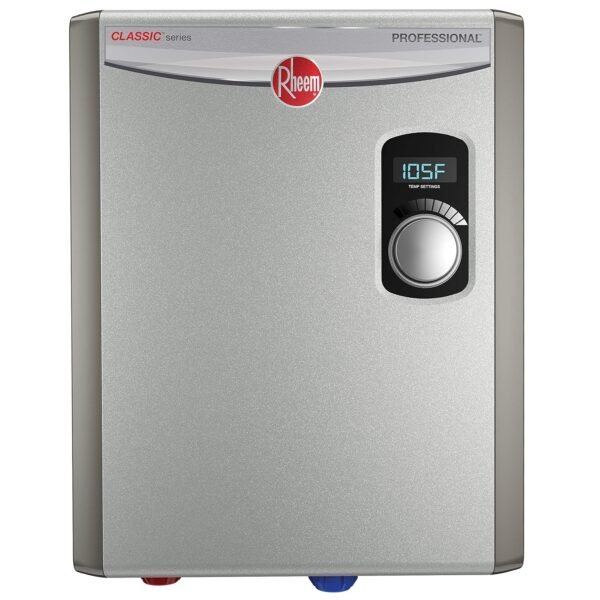
The Rheem 18kW 240V Tankless Electric Water Heater leads with a strong control specification. The feature that stands out first is the external digital thermostatic control with LED display, which offers a precise temperature adjustment within ±1 degree. This small but powerful feature means the exact water temperature can be dialled in without the usual guesswork. The self-modulating technology is another notable element, as it adjusts the power output based on the current hot water demand. Rheem states this can reduce water heating bills by up to 50%. The compact design, which is about 90% smaller than traditional tank heaters, fits under a kitchen sink, freeing up valuable space.
- Precise temperature control with LED display
- Energy-efficient self-modulation saves money
- Compact, space-saving design
Drawbacks of the Tankless Electric Water Heater
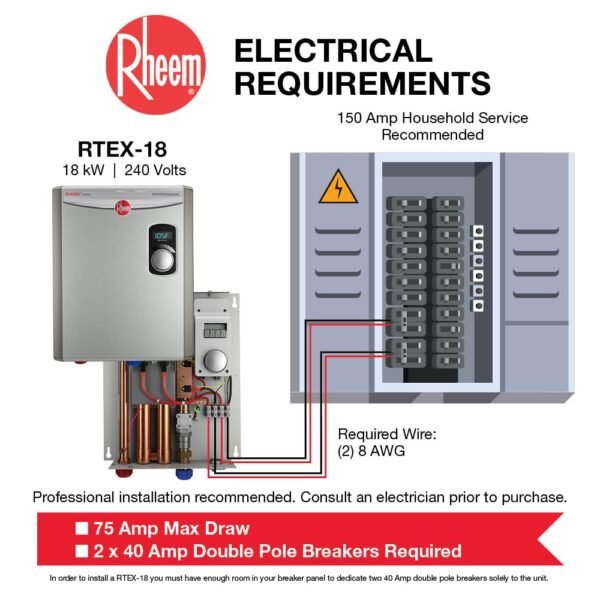
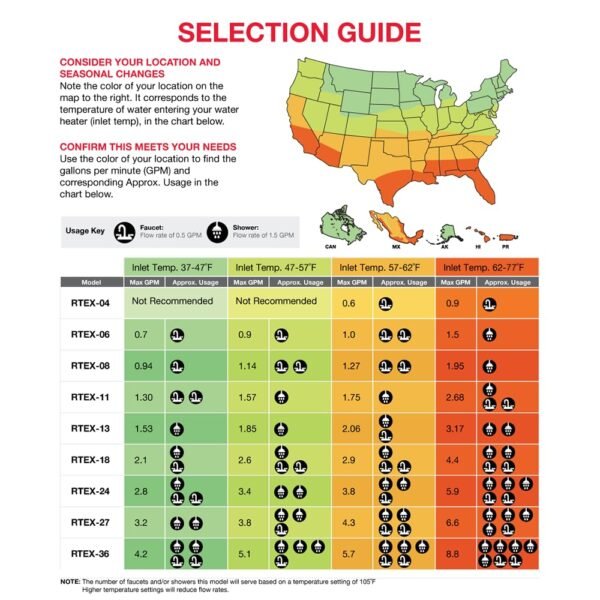
Despite its many strengths, this tankless unit has real limits. The main one is the maximum flow rate of 4.4 gallons per minute. For a mid-range whole-home setup, this means it suits single shower applications but not simultaneous multiple uses in larger households. Also, the installation requires a 240V power supply and professional setup for the electrical connections, which might add to the upfront cost and hassle for some users. Additionally, although the unit is durable with copper immersion heating elements, the water pressure rating caps at 150 PSI, which could be a concern in homes with higher water pressure or specialized plumbing systems.
- Limited flow rate restricts multi-point use
- Requires professional electrical installation
- Maximum operating pressure of 150 PSI could be limiting
Space-Saving Design and Installation Flexibility
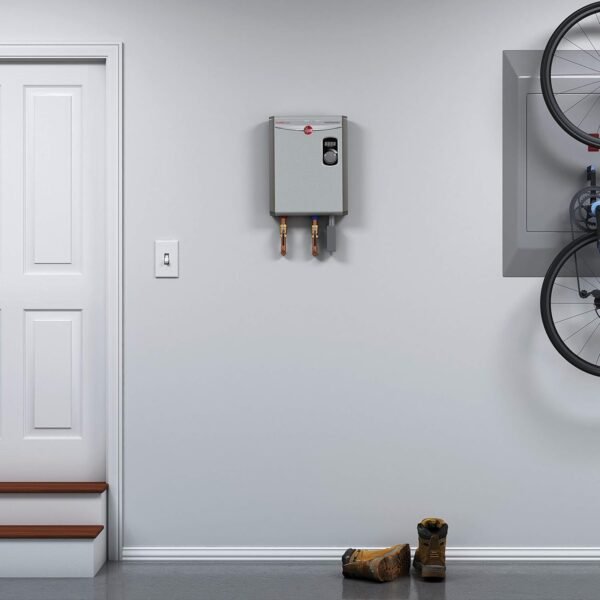
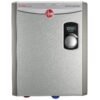
One notable aspect of this electric water heater is its sleek and compact rectangular shape, measuring just 14.5 inches wide by 18.25 inches high. It weighs under 15 pounds, making it easy to mount on a wall without heavy-duty support. The bottom ¾ inch NPT threaded water connections simplify the installation process, particularly when swapping it in for an older unit. Because it doesn’t require venting, it can be placed almost anywhere inside the house: under sinks, in closets, or utility rooms. This flexibility is a significant advantage over traditional tank water heaters that need dedicated venting space.
Performance and Temperature Control
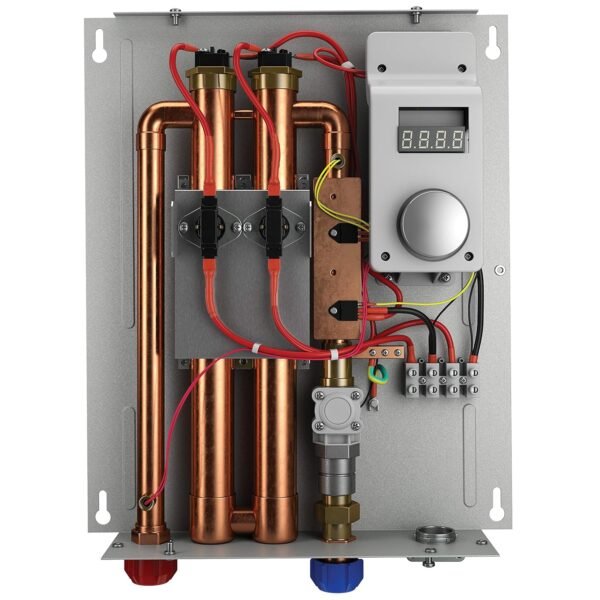
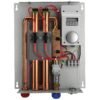
The maximum temperature setting of 140 degrees Fahrenheit is more than sufficient for daily household needs, and the heater maintains a consistent temperature thanks to its advanced self-modulating power system. Across the rated flow range it adjusts power to hold warmth without overheating or cold bursts. The dual copper immersion heating elements are field-serviceable, which is a nice bonus for long-term maintenance. The LED display makes it easy to monitor and adjust the temperature on the fly, and the system is specified to respond quickly to changes in demand. This is a noticeable upgrade over older electric heaters that often struggle with temperature consistency.
Value Proposition and Cost Efficiency
Considering the features, this tankless water heater offers a compelling price to quality ratio. It combines energy efficiency, a compact footprint, and precise digital control that many traditional tank heaters lack. While the initial investment might be higher than basic models, the potential savings on energy bills and longer lifespan can balance that cost over time. Compared to electric tank heaters that constantly draw power to maintain temperature, this unit only uses electricity when hot water flows, which makes it a smarter spending option for those wanting to reduce utility costs and environmental impact. However, buyers should weigh the installation complexity and ensure their electrical system supports the 240V requirement.
Product Competitors and How This Heater Stacks Up
Comparing this heater to similar tankless electric water heaters from brands like Stiebel Eltron and Eemax reveals some interesting contrasts. The Rheem model rates well on energy efficiency thanks to its self-modulating technology, whereas some competitors offer fixed power levels that can waste electricity. The LED temperature display is also a standout feature, as many rivals still rely on manual dials without digital feedback. However, the competition often provides models with higher flow rates, which might better serve larger households. For example, some Eemax units can handle up to 6 gallons per minute but at the cost of higher wattage and bulkier design. The Rheem unit’s balance of size, efficiency, and moderate flow rate makes it well suited to single or small-point applications but less effective for whole-home use in larger families.
User Experience and Real-World Considerations
Owner feedback on this tankless electric water heater is largely positive, with some clear boundaries. For a single occupant needing hot water for a shower and kitchen sink, the on-demand hot water supply and the absence of waiting for a tank to refill are the headline benefits. The lack of cold water surprises during showers follows from the self-modulating control. In larger households, though, the flow rate is the common complaint when multiple taps run simultaneously. The quiet operation is worth mentioning; it is far less audible than the rumbling sound of traditional tanks. Installation is fairly straightforward on the plumbing side but requires professional electricians to handle the high voltage safely.
Positive Features Summary
- Precise LED temperature control display
- Self-modulating power technology for energy savings
- Compact and lightweight design ideal for tight spaces
- Quiet operation with consistent hot water output
Limitations to Keep in Mind
- Maximum flow rate limits suitability for large households
- Requires 240V electrical setup and professional installation
- Maximum water pressure rating of 150 PSI might not fit all plumbing systems
- Not designed for heavy multi-point simultaneous use
On balance, this tankless electric water heater is a solid choice for those looking to upgrade from traditional tanks in smaller homes or individual points of use. The blend of energy efficiency, convenience, and space-saving design is what defines the unit. However, if your household demands high flow rates or simultaneous showers, looking into higher-capacity models might be necessary.