
Description
Highlights of 3M Marine Adhesive Sealant 5200
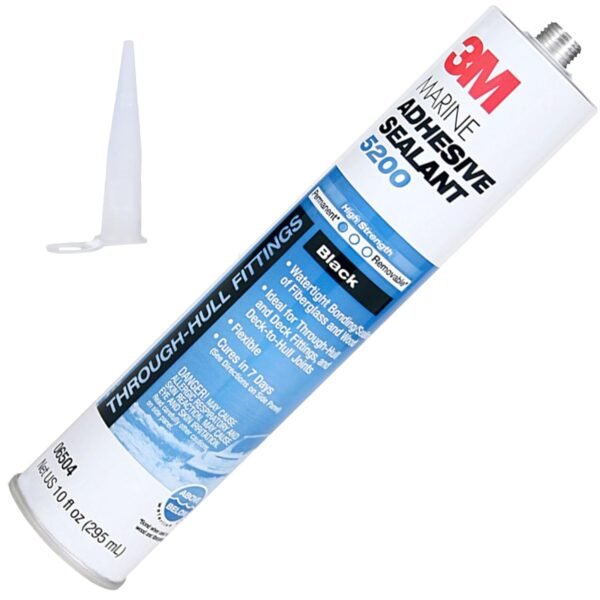
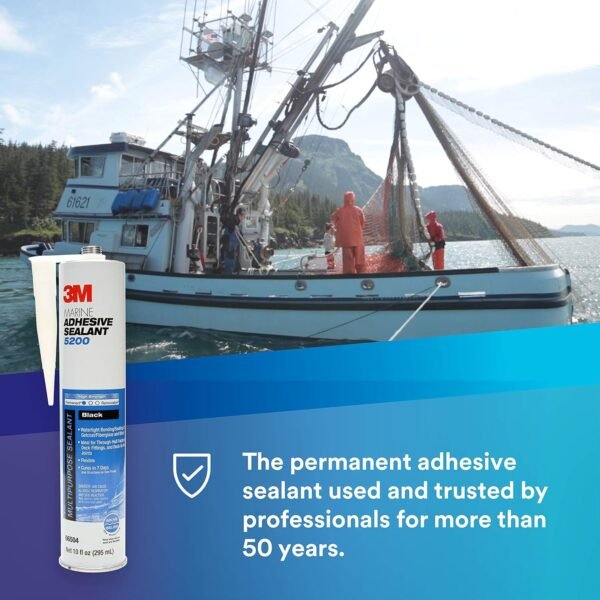
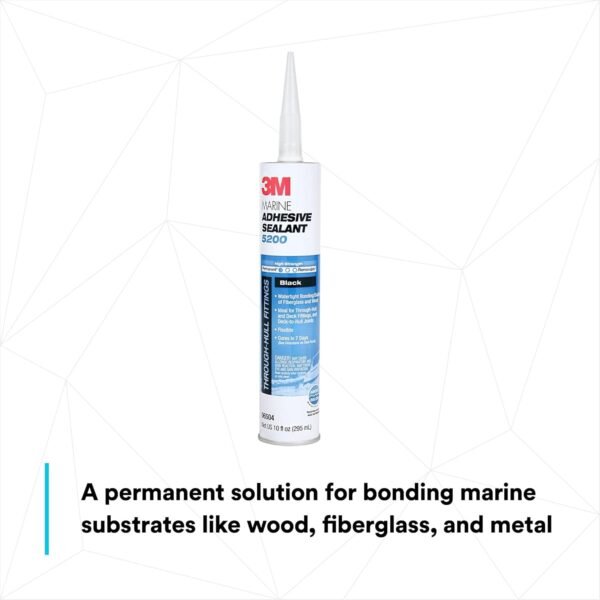
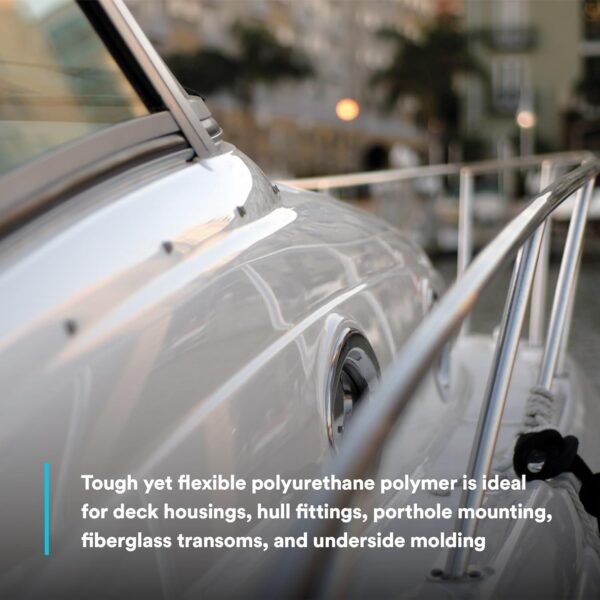
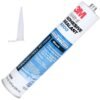
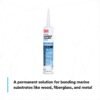
The 3M Marine Adhesive Sealant 5200 (06504) has a long-standing reputation as a permanent bonding and sealing solution for boats and RVs. The multi-surface compatibility is the headline specification. This sealant adheres well to wood, fiberglass, metal, and gelcoat, making it highly versatile. The fact that it’s designed for both above and below the waterline applications means it can be trusted in harsh marine environments. It is specified for everything from portholes to deck fittings, forming a firm, flexible, waterproof seal that holds up against the usual wear and tear.
The polyurethane formula stays flexible even after curing, which is a crucial feature since boats and RVs constantly move and flex. It dissipates stress caused by vibration, swelling, and shrinking without cracking, which matters a great deal given the dynamic forces at play. Application is straightforward; it comes in a cartridge that fits standard caulking guns, and nothing needs to be mixed, which saves a lot of hassle.
Key positive aspects on the specification:
- Strong, permanent bond that works on multiple surfaces
- Waterproof and weather-resistant, well suited to saltwater exposure
- Flexibility to absorb shock and vibration
- Easy to apply with no sagging or flowing in vertical seams
Drawbacks to Keep in Mind
Despite its strengths, the sealant has trade-offs. The curing time can be a bit of a headache; although it becomes tack-free in about 1-2 hours, it takes a full 48 hours to cure completely. That means you need to plan your projects carefully and avoid rushing. Additionally, this product is intended for industrial or occupational use only, which might make it less accessible or intimidating for casual DIYers.
The consistency is quite thick, which makes it a little tough to gun out smoothly, especially for those unfamiliar with caulking guns. Cleanup also requires solvent since it doesn’t wash off with water once cured. Areas where it could improve:
- Long curing time demands patience and planning
- Thick consistency can be challenging to apply evenly
- Not consumer-friendly due to industrial use designation
- Cleanup requires solvents, not water
Performance and Versatility in Practical Use
Applied on fiberglass deck and hull joints, the non-sag formula makes it easy to work with in both horizontal and vertical seams. It is also rated for wood-to-fiberglass joints, where the bond holds firm without peeling or cracking over time. The weather resistance is outstanding; the formulation is specified to resist salt spray, intense sun, and rain without deterioration or discoloration.
A common application is mounting a motor on a fiberglass transom. The sealant is designed to absorb vibrations, preventing the loosening or damage seen with more rigid adhesives. This flexibility is a huge plus for anyone dealing with mechanical stress on their watercraft or vehicle. Its waterproofing capabilities are rated for use below the waterline and for protecting against leaks.
Price to Quality Ratio
Considering the long-lasting performance and reliability, the sealant offers solid value for money. It’s not the cheapest marine adhesive out there, but the strength and durability justify the higher price point. For boat owners or RV enthusiasts who want a permanent, waterproof seal that can handle extreme conditions, this product is a smart investment.
While some other sealants might offer a faster cure or easier application, they often compromise on flexibility or strength. This one strikes a good balance, especially for critical sealing jobs that need to withstand the elements over time. If you’re after a durable, industrial-grade marine sealant, this ranks in the upper tier when you weigh cost against performance.
Alternative Products to Consider
Comparing this marine sealant to competitors like Sikaflex 291 and 3M 4000 UV Marine Sealant, some differences stand out. Sikaflex tends to cure faster and is easier for beginners to apply, but it lacks the same degree of permanent bonding strength and flexibility. The 4000 version is UV-resistant and great for above-water use but doesn’t have the same robust waterline durability.
The 5200 is aimed squarely at below-waterline applications and structural bonding where long-term stress absorption is crucial. It is stronger and more resilient, but the trade-off is the longer cure time and tougher application process. For projects demanding maximum strength and waterproofing, the 3M Marine Adhesive Sealant 5200 is often the better choice, especially if you’re prepared to work around its curing timeline.
Application Tips and Handling
Applying the sealant requires some technique to get the best results. A good-quality manual caulking gun gives precise control, which matters since the sealant is thick and tacky. Masking tape helps keep edges clean, and tooling the bead with a wet finger or tool smooths the joint nicely.
Since it doesn’t sag or flow, it’s excellent for vertical seams and overhead applications. However, be sure to clean surfaces thoroughly before applying; any dirt, oil, or old sealant residue can compromise the bond. Ambient temperature and humidity also influence curing speed, so avoid using it in very cold or damp conditions to prevent extended curing times.
Benefits for Professional and DIY Users
This sealant’s strong, flexible bond makes it a favorite among professionals, but it also works well for serious DIYers who want a reliable, weather-proof solution. Owner feedback on boat repairs points to easy handling once the caulking gun technique is familiar, and confidence that the seal will last for years.
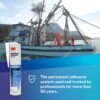
Its ability to bond dissimilar materials like wood to fiberglass or metal to gelcoat adds a lot of value for various repair tasks. The tough polyurethane formula is specified not to crack or shrink over time, which is often a problem with cheaper sealants. This product’s long-standing reputation among marine professionals is grounded in that formulation rather than marketing alone.
Downsides Worth Considering
Even though it is a robust sealant, handling and cleanup can be messy. It’s not the kind of product you want to rush or apply in tight spaces without proper preparation. The strong adhesive nature means mistakes are hard to fix without scraping or solvents. Some users might find the industrial-grade nature intimidating, especially since it’s not marketed for casual consumer use.
Also, the sealant’s black color might not blend well with all surfaces, which could be a visual downside for some aesthetic preferences. For those wanting a quicker fix or a sealant with UV resistance for exposed areas, other options might be more appropriate.
This product is specified for durable, waterproof, and flexible bonding that stands up to various marine stresses. Although it demands patience during curing and care in application, the formulation backs up the claims. It’s a product that brings professional-grade reliability to anyone serious about maintaining or repairing boats, RVs, and other watercraft.