


Description
Performance and Hot Water Supply
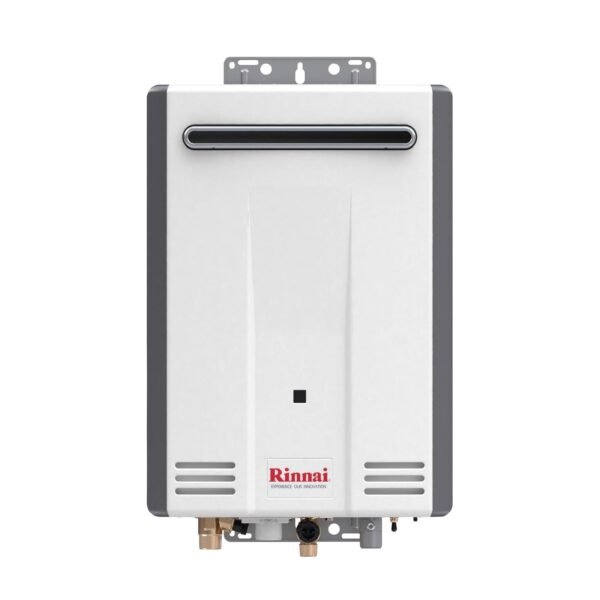
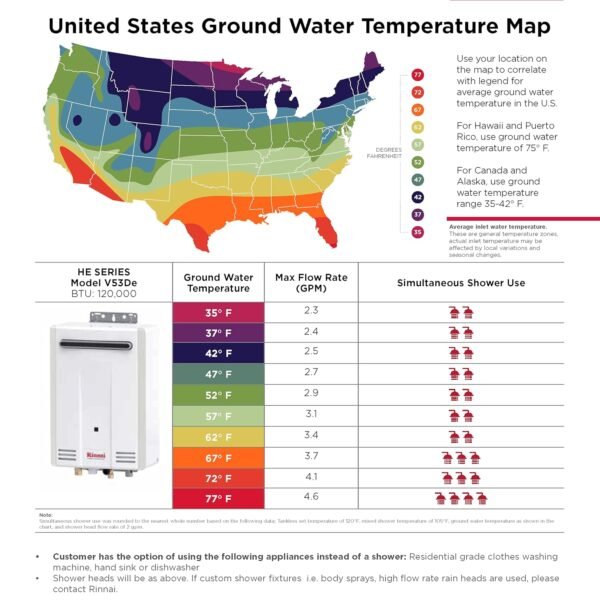
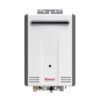
The Rinnai V53DeP Propane Tankless Water Heater, 5.3 GPM represents a substantial step up from a conventional tank in terms of hot water delivery. This unit is rated for a flow rate of 5.3 gallons per minute, enough to sustain a consistent and powerful stream of hot water across multiple appliances simultaneously. With a shower, dishwasher, or washing machine running, that rating is what keeps temperature and pressure from dipping. The endless hot water feature is the specification households buy this unit for, particularly where back-to-back showers are the norm.
Design and Installation Considerations
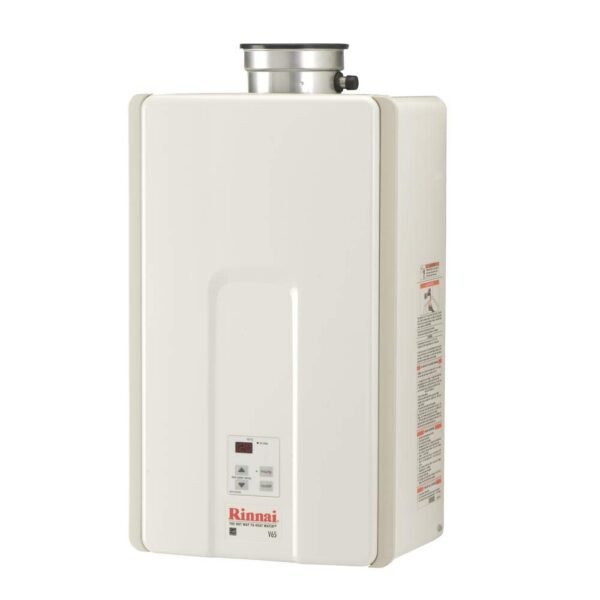
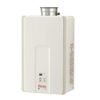
The compact, wall-mounted design is the first thing to note. Measuring 13 inches wide and 30 inches high, this heater fits snugly in tight outdoor spaces without feeling bulky. Because it’s an outdoor propane model, indoor ventilation is not a consideration, which is a significant simplification. However, this is not a casual DIY afternoon; professional installation is strongly recommended. A licensed technician is the right route, ensuring all safety standards are met and the unit runs correctly from day one. The unit weighs about 33 pounds, which makes mounting manageable but not a solo job.
Energy Efficiency and Scale Detection
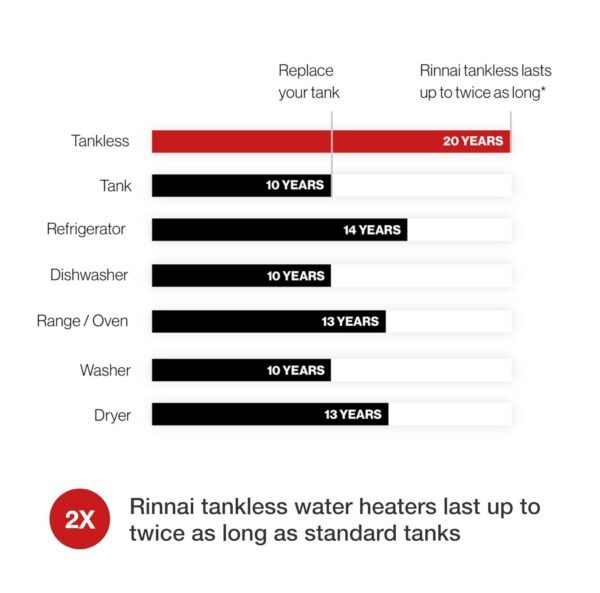
One of the standout specifications is the energy-efficient operation. This water heater only heats water when needed, which translates to savings on propane bills. The enhanced scale detection system is designed to reduce mineral buildup inside the unit. That matters for anyone living in an area with hard water. The system is intended to extend the lifespan of the heater and cut down on the maintenance that traditional tank water heaters accumulate. It is a smarter, greener specification that doesn’t compromise on power.
Connectivity and Smart Features
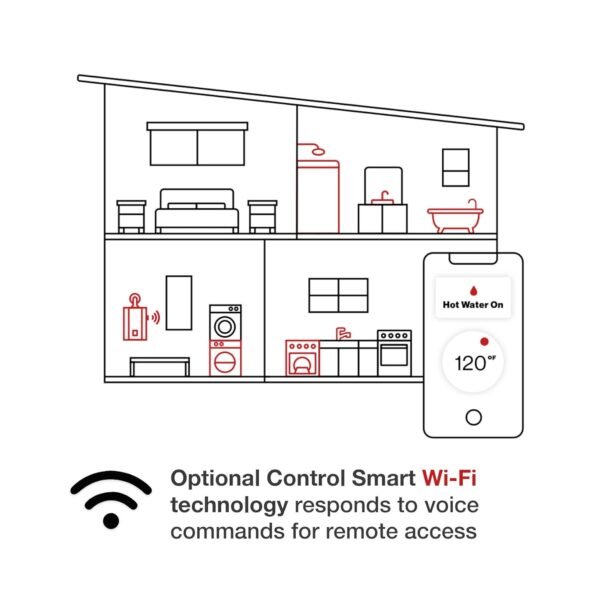
The addition of Wi-Fi capability is unusual at this level. The ability to monitor and adjust the heater remotely through an app is a modern convenience, covering water temperature checks and basic troubleshooting without a trip outside. This smart home integration is not just a gimmick; it genuinely adds value for those who want more control and insight into their home’s energy usage.
Warranty and Durability
Backing up the unit is a robust warranty package: 10 years on the heat exchanger, 5 years on labor, and 1 year on parts. That level of coverage is a strong signal of the product’s durability and the manufacturer’s commitment. The heater’s build quality is solid, and the high heat output of 81 kilowatts means it’s specified for heavy-duty use. That headroom is what lets it absorb demand spikes in a busy household.
Drawbacks and Areas for Improvement
Despite the many positives, a few aspects are less than ideal. The initial cost and installation expenses can be a hurdle for some buyers. Since professional installation is necessary, the overall investment is higher than a typical tank water heater. The unit’s outdoor placement also may not suit all climates. Extreme cold can affect performance unless additional protection or insulation is added. Owner reports note the Wi-Fi setup can be fiddly at first, taking a couple of attempts to connect properly, which could frustrate less tech-savvy users.
Price to Quality Ratio
Considering the features and performance rating, this heater offers solid value for money. While the upfront investment is noticeable, the savings on propane and the extended lifespan make it a smart spending choice. Competing models with similar flow rates often lack the scale detection technology or smart features, so this heater balances efficiency, convenience, and durability well. For homeowners seeking a long-term solution for energy-conscious hot water needs, it’s worth the premium.
Product Competitors
Comparing this propane tankless water heater to other popular brands like Noritz and Takagi surfaces some interesting points. Noritz models sometimes offer higher flow rates, but often at the cost of more complicated installation or fewer smart features. Takagi’s units are renowned for reliability but can be bulkier and less energy-efficient. The Rinnai’s enhanced scale detection and Wi-Fi capabilities put it ahead in terms of maintenance ease and user control. However, some competitors provide slightly better cold-weather resilience, an area where this unit could improve. Overall, it strikes a good balance between performance, technology, and convenience compared to its market rivals.
Highlights
- Consistent 5.3 GPM flow rate supports multiple appliances without temperature drops
- Energy-efficient propane heating conserves fuel by activating only on demand
- Compact outdoor design fits well in limited spaces and eliminates indoor ventilation worries
- Wi-Fi smart monitoring adds modern convenience for remote control and diagnostics
Pitfalls
- Professional installation is a must, raising initial costs
- Outdoor placement may require extra protection in cold climates
- Wi-Fi setup can be tricky for some users, needing patience and technical know-how
- Upfront price higher than traditional tank heaters, which may deter budget-conscious buyers